The cello is one of the most expressive and beloved instruments in the world of classical music. Many listeners recognize its warm tone and deep emotional sound that can move both performers and audiences. But what is a cello exactly, and why does it play such a vital role in music today
The Origins of the Cello
To understand what is a cello, we must go back to its roots in the early sixteenth century. The instrument was developed in Italy as part of the violin family. The name cello comes from the Italian word violoncello meaning little large viol. Over time, the cello became a central instrument in orchestras and chamber music groups because of its ability to produce both bass and melodic lines.
The Structure and Design
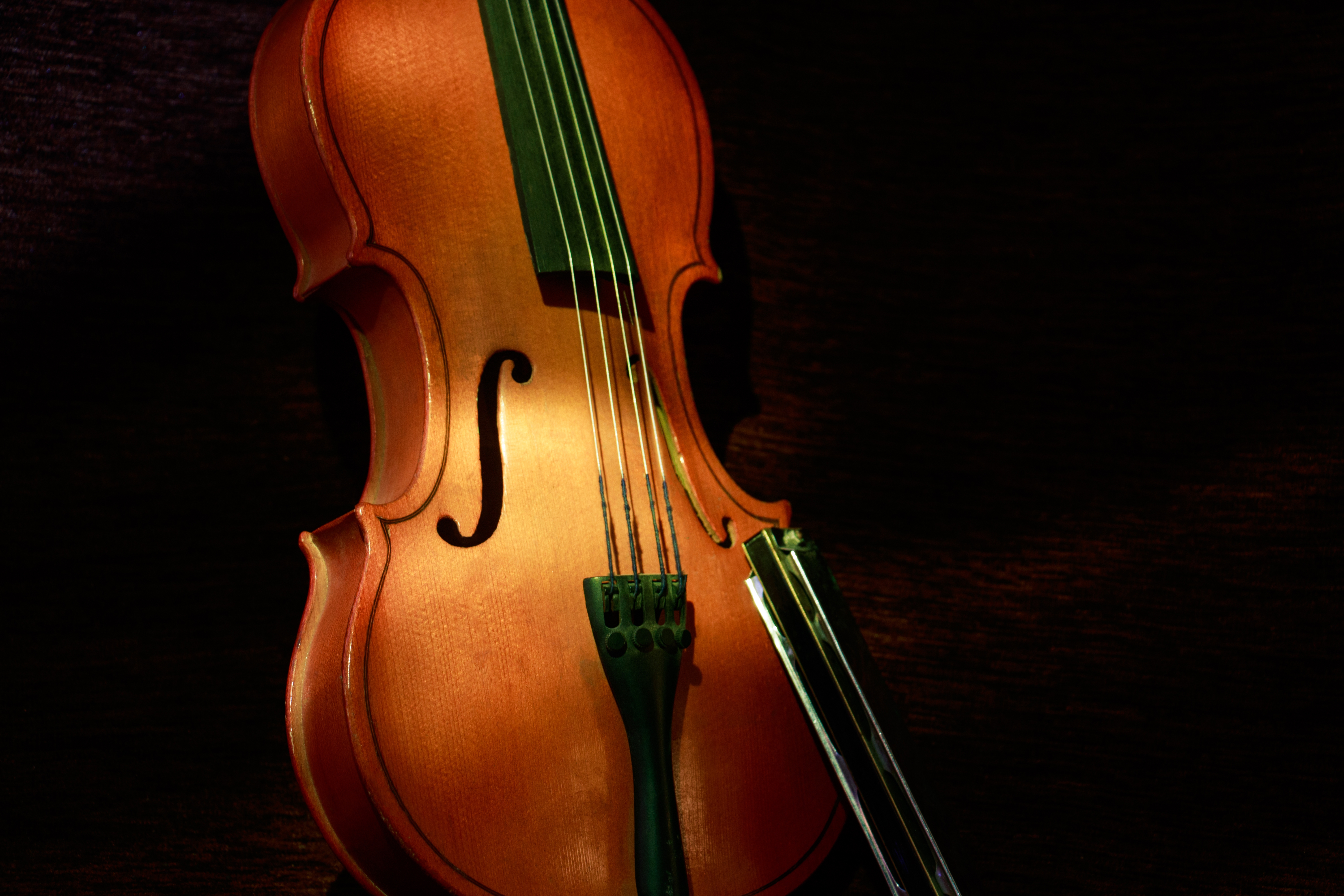
A cello is made primarily from wood and has four strings. The body of the cello is large and curved allowing resonance that gives its rich tone. The strings are tuned to C G D and A from the lowest to highest pitch. A cellist uses a bow made from horsehair and wood to draw sound from the strings. Some modern players also use carbon fiber bows for durability and balance.
Another essential part of understanding what is a cello involves its construction materials. The top plate is typically made of spruce while the back sides and neck are made from maple. The varnish used on the surface not only protects the wood but also influences the tonal quality of the instrument.
How a Cello Produces Sound
Sound is created when the bow moves across the strings causing them to vibrate. These vibrations travel through the bridge to the body of the cello which amplifies the sound. The air inside the hollow body resonates to produce the cello’s signature tone. Cellists can also pluck the strings using a technique called pizzicato for a lighter sound.
Playing Techniques
Knowing what is a cello also means appreciating the variety of playing techniques it offers. Vibrato adds warmth and emotion by slightly oscillating the pitch of a note. Double stops allow two notes to be played at once creating harmony. Advanced players use harmonics to produce ghostlike tones that float above the music. Each technique adds a new layer of expression to performances.
The Role of the Cello in an Orchestra
The cello section is the heart of the orchestra. It bridges the gap between the high strings and the deep double basses. Composers often give the cello some of the most lyrical melodies because of its humanlike voice. In symphonies by composers like Dvorak, Tchaikovsky, and Elgar, the cello sings with emotional intensity and warmth.
Chamber Music and Solo Works
The cello shines in smaller ensembles as well. In string quartets such as those performed by the Pro Arte Quartet, it provides both rhythm and melody. Many composers have written beautiful solo pieces for cello, including Bach’s Six Suites for Unaccompanied Cello which remain among the most admired works in all classical music.
The Cello in Modern Music
Beyond classical music, the cello appears in pop, rock, and film soundtracks. Artists like Yo Yo Ma and 2Cellos have brought the instrument into modern culture. Electric cellos have expanded the range of sounds possible allowing performers to blend classical and contemporary styles seamlessly.

Learning to Play the Cello
For those who wish to learn what is a cello from experience, starting lessons can be a rewarding journey. Beginners start with simple scales and bow control before moving to complex pieces. Proper posture and finger positioning are essential for producing a clean tone. Most teachers recommend practicing slowly and consistently to build muscle memory and strength.
Choosing a Cello
When choosing a cello, size and sound quality matter most. There are full size instruments for adults and smaller sizes for children. The tone should be balanced across all strings and feel comfortable under the fingers. A good quality bow and properly fitted bridge can make a huge difference in how easily a cello responds to touch.
Care and Maintenance
Keeping a cello in good condition ensures it will last for generations. Players should clean the strings regularly and loosen the bow hair after playing. The cello should be stored in a controlled environment away from humidity and temperature changes. A professional luthier can adjust the bridge and soundpost to maintain optimal sound.
Famous Cellists and Their Legacy
Through the centuries, several cellists have left a lasting mark on the world of music. Pablo Casals transformed the perception of the cello from a background instrument to a solo voice. Jacqueline du Pre brought unmatched emotion to her performances of the Elgar Cello Concerto. Yo Yo Ma continues to inspire musicians with his technical mastery and creative collaborations.
Why the Cello Matters
Understanding what is a cello reveals why it remains one of the most cherished instruments in history. Its tone mirrors the depth and range of human emotion. The cello can be tender or powerful, melancholic or joyful. It connects listeners through sound that feels intimate and grand at once.
Conclusion
The next time you hear a cello solo or a quartet performance, remember that this instrument carries centuries of craftsmanship and passion within its body. The cello speaks with a voice that transcends language uniting musicians and audiences across generations. Learning what is a cello is more than understanding its parts; it is about recognizing its role as a storyteller in the world of music.